Chemical-Free Facility Cleaning: Your Complete Buyer's Checklist for 2025
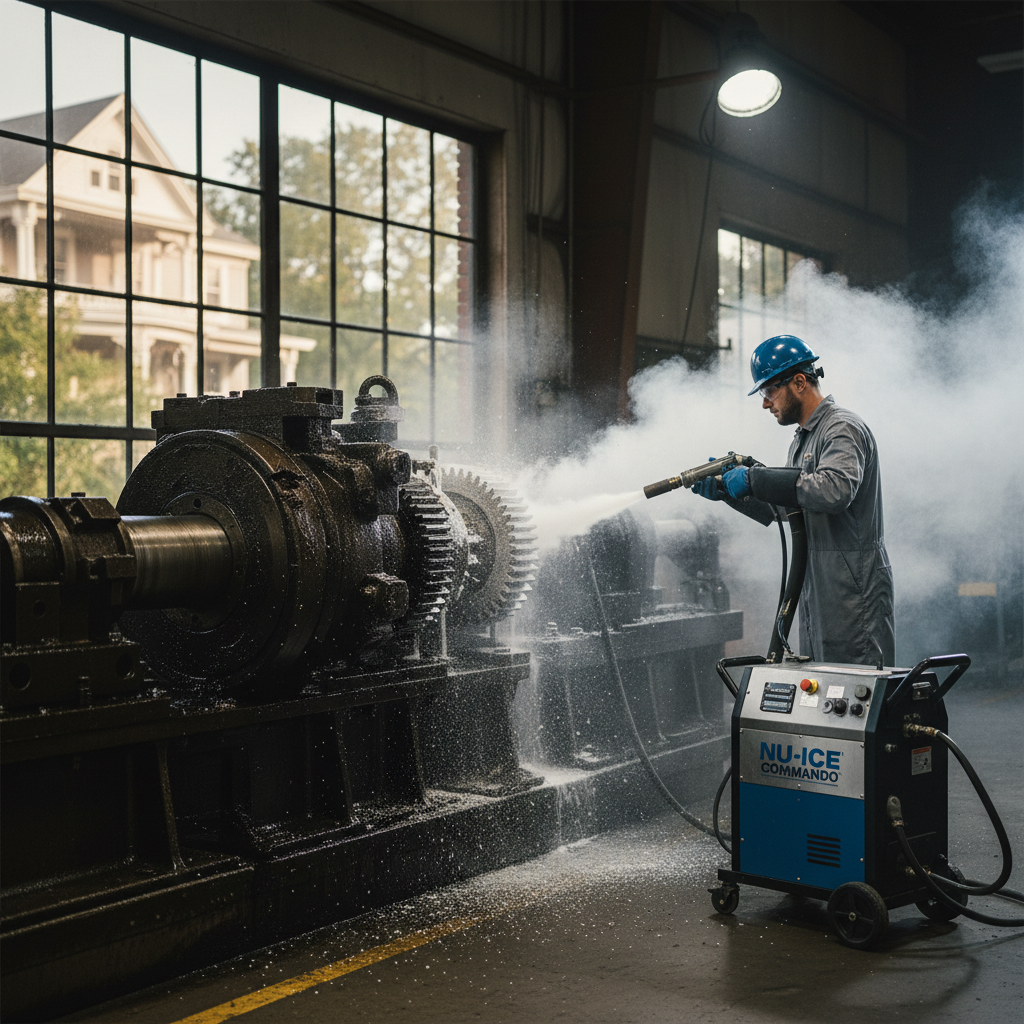
Chemical-Free Facility Cleaning: Your Complete Buyer's Checklist for 2025
Here's the reality facing facility managers today: traditional chemical cleaning methods are becoming more expensive, more regulated, and frankly, more risky for your workers and the environment. But with dozens of "green" cleaning technologies flooding the market, how do you separate genuine solutions from marketing hype?
After evaluating hundreds of industrial cleaning transformations, we've seen facility managers make both brilliant decisions and costly mistakes. This checklist walks you through the actual considerations that matter - the ones your colleagues wish they'd known before signing contracts.
Understanding Your Chemical-Free Cleaning Context
Before evaluating any environmental and chemical-free cleaning solutions, you need clarity on what you're really solving for. Most facility managers start with the wrong question - "What's the cheapest alternative?" instead of "What's driving our need to change?"
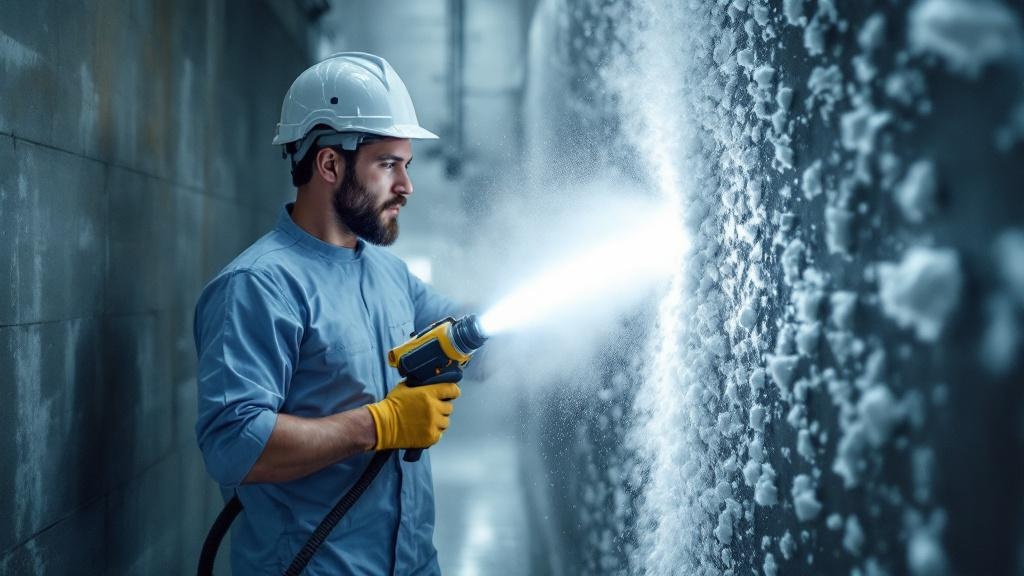
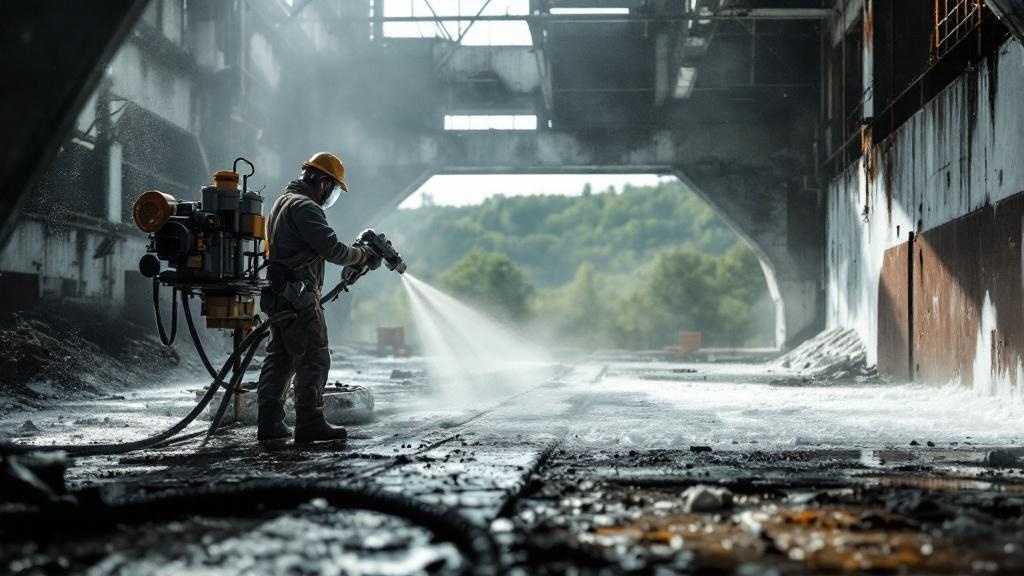
The smartest buyers we work with at Nu-Ice Dry Ice Blasting start by documenting three key areas: current chemical disposal costs (including hidden fees), worker safety incidents related to cleaning chemicals, and time lost to equipment disassembly for traditional cleaning methods.
Here's what separates effective chemical-free cleaning from feel-good marketing: the ability to match or exceed your current cleaning performance while eliminating secondary waste. Technologies like dry ice blasting accomplish this through sublimation - the dry ice disappears completely, leaving only the removed contamination to dispose of.
Your Prioritized Chemical-Free Cleaning Checklist
1. Verify Zero Secondary Waste Claims
Ask vendors for documented proof of waste reduction. With Nu-Ice's Commando® dry ice blasting systems, facilities typically see 100% elimination of secondary waste because the dry ice sublimates completely. Request specific case studies showing before-and-after waste disposal records.

2. Test Equipment Reliability Under Real Conditions
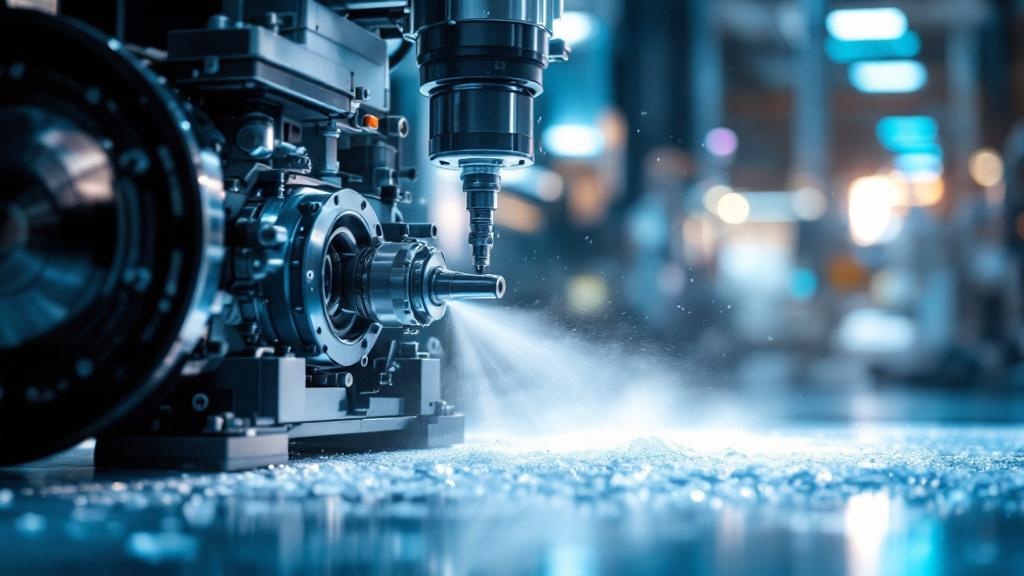
Equipment freeze-ups are the hidden killer of cleaning productivity. Nu-Ice's patented BlitzFeed® freezeless delivery system specifically addresses this industry-wide problem. Demand demonstration videos or on-site trials showing continuous operation without freeze-ups.
3. Calculate True Clean-in-Place Capabilities
The biggest cost savings come from cleaning equipment without disassembly. Verify which surfaces and contamination types can be cleaned in place. Our high-performance systems handle everything from paint removal to fire damage restoration without requiring equipment teardown.
4. Assess Training and Certification Programs
Your team needs proper certification for safe, effective operation. Look for vendors offering structured training programs, not just equipment manuals. American Made Quality standards typically include more thorough operator education.
5. Evaluate Supply Chain Integration
Many companies sell equipment but rely on third-party supply chains for consumables. This creates costly disruptions. Nu-Ice's vertically integrated approach means we manufacture both the equipment and produce dry ice on-site, eliminating supply chain vulnerabilities that plague competitor solutions.
6. Document Non-toxic Safety Profile
"Environmentally friendly" means different things to different vendors. Require specific documentation showing the cleaning medium is non-toxic, non-conductive, chemically inert, non-poisonous, and nonflammable. This matters for worker safety and regulatory compliance.
Common Chemical-Free Cleaning Pitfalls to Avoid
The biggest mistake we see facility managers make? Focusing solely on equipment purchase price while ignoring operational costs. A lower-priced system that requires frequent maintenance, has supply chain dependencies, or suffers regular freeze-ups will cost significantly more over time.

Another trap: assuming all chemical-free methods work the same way. Steam cleaning, for instance, creates moisture issues that dry ice blasting avoids entirely. Media blasting requires disposal of both the blasting medium and removed contamination - hardly chemical-free when you factor in disposal requirements.
Don't overlook regional service capabilities either. Equipment downtime costs far more than the service call, so verify your vendor can provide rapid response in your area. Our Southeast U.S. focus means superior service response times compared to national competitors trying to cover the entire country.
Decision Framework: ROI vs. Risk Assessment
Smart facility managers evaluate chemical-free cleaning solutions using a three-factor framework: cleaning performance, operational efficiency, and risk reduction.
For cleaning performance, measure actual contamination removal rates and surface compatibility. Our industrial systems deliver up to 75% reduction in cleaning time compared to chemical methods while handling nearly any surface without damage.
Operational efficiency includes equipment reliability, ease of use, and integration with existing processes. The ability to clean without equipment disassembly or cooling periods can transform maintenance schedules.
Risk reduction covers worker safety, environmental compliance, and business continuity. Eliminating harmful chemicals from your facility reduces regulatory burden, improves worker safety scores, and supports corporate sustainability initiatives.
Next Steps: From Evaluation to Implementation
Start with a pilot application in one area of your facility. This allows you to verify performance claims, train your team gradually, and build internal support for broader implementation.
Document everything during your pilot: time savings, waste reduction, worker feedback, and any operational challenges. This data becomes the foundation for expanding the program and justifying additional investment.
Consider equipment rental services for initial evaluation. This approach lets you test different cleaning applications without major capital commitment while building operational experience.
Finally, factor in the competitive advantage of early adoption. Facilities that master chemical-free cleaning now will have significant operational efficiency and compliance advantages as environmental regulations continue tightening.
Frequently Asked Questions
How do I calculate the true cost savings of switching to chemical-free cleaning?
Include chemical purchase costs, disposal fees, labor time for disassembly/reassembly, equipment downtime, and safety compliance costs. Most facilities find 40-60% total cost reduction when factoring in all variables, not just cleaning supply costs.
What training is required for operators of chemical-free cleaning equipment?
Professional dry ice blasting requires structured certification covering safety protocols, equipment operation, and application techniques. Quality programs include hands-on training and ongoing support, typically completed in 2-3 days for experienced maintenance staff.
Can chemical-free methods handle heavy industrial contamination?
High-performance systems effectively remove paint, rust, oil, carbon buildup, and fire damage without chemicals. The key is matching the right equipment configuration and technique to your specific contamination type and surface material.
How do I ensure reliable supply of consumables for chemical-free cleaning?
Choose vendors with integrated supply chains rather than third-party dependencies. On-site production capabilities eliminate supply disruptions and reduce operational costs compared to delivered consumables.
What regulatory benefits come with eliminating chemical cleaning products?
Facilities typically see simplified OSHA compliance, reduced environmental reporting requirements, lower insurance costs, and alignment with corporate sustainability goals. The exact benefits depend on your current chemical inventory and local regulations.
📅 Upcoming Events & Webinars
Stay updated with our latest Environmental and Chemical-Free Cleaning Solutions events, workshops, and industry insights.
View Our Calendar →


Comments
Post a Comment