Google Stacking Performance: How Geographic Variables Shape Success

Google Stacking Performance: How Geographic Variables Shape Success
Most Google stacking practitioners make a dangerous assumption: that the same configuration works everywhere. After analyzing thousands of stack deployments across different markets, GStacker has uncovered something the industry rarely discusses - geographic location dramatically affects Google Stack performance, creating hidden opportunities for location-aware strategists.
Regional Algorithm Variations Drive Different Outcomes
Google's search algorithm doesn't operate in a vacuum. Regional competition density, local search behavior patterns, and geographic-specific ranking factors create performance variations that most practitioners never notice. Our Multi-Model AI Content Generation system tracks these patterns across different market sizes.
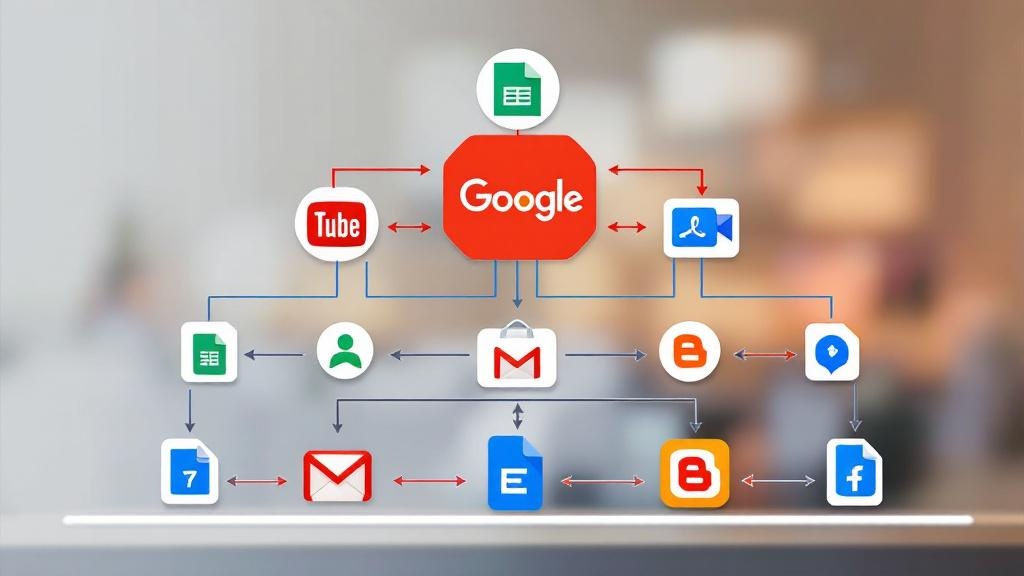
In low-competition rural markets, a basic Google Stack using five interconnected properties can achieve page-one rankings within 8-12 weeks. The same configuration deployed in major metropolitan areas like New York or Los Angeles often stalls in position 40-60, never breaking into meaningful visibility. This isn't coincidence - it's algorithmic bias toward local competition density.
The solution isn't just "more content." Different geographic markets require fundamentally different stack architectures. Rural markets respond well to authority signals from Google Docs and Sheets that establish expertise. Urban markets demand more sophisticated interlinking patterns and deeper topical authority development across multiple Google properties.
Metro vs Rural: Infrastructure Impact on Stack Performance
Geographic internet infrastructure quality creates an often-overlooked ranking factor. Google properties hosted in regions with varying connection speeds perform differently based on user engagement metrics. At GStacker, we've identified specific patterns that affect our Google Properties Network Creation approach.

Markets with high mobile usage (often urban areas with strong cellular infrastructure) show better performance from Google Sites optimized for mobile-first indexing. Rural areas with more desktop usage respond better to Google Docs formatted for desktop viewing patterns. These infrastructure differences create engagement metric variations that feed back into ranking algorithms.
Professional Google Docs Generation must account for these usage patterns. A document optimized for quick mobile scanning in downtown Chicago performs poorly in rural Montana where users spend more time on desktop deep-reading. Our AI-Powered Google Stacking Automation Platform now includes geographic targeting considerations in its content formatting decisions.
Local Business Licensing Creates Hidden Content Restrictions
Here's something most SEO professionals miss: local regulatory environments directly impact what claims you can make in stacked properties. This affects content strategy in ways that can make or break a Google Stack campaign.

Financial services companies can't make the same ROI claims in California that work in Texas due to state advertising regulations. Healthcare providers face different content restrictions depending on state medical board requirements. For example, the legal frameworks around advertising for healthcare services can vary significantly by state (Federal Trade Commission). Real estate professionals must navigate varying disclosure requirements that affect how they present case studies in Google properties, with regulations differing across states regarding property advertising (Consumer Financial Protection Bureau).
Our Brand Voice Matching Technology now includes compliance checking for industry-specific geographic restrictions. What sounds like authentic expertise in one state becomes a legal liability in another. Smart Google stacking requires understanding these local content constraints before deployment.
The Geographic Stack Architecture Framework
Based on analysis of stack performance across different market types, we've developed a location-aware approach to Google property selection and configuration. This framework guides our Topical Authority Building System decisions.

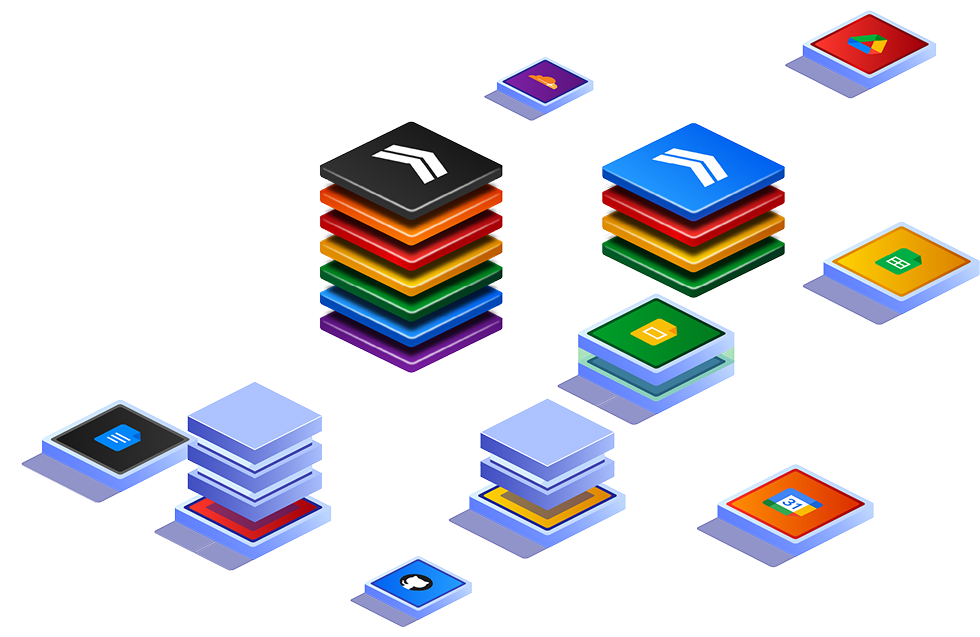
Rural/Small City Markets: In geographical areas typically characterized by a smaller population, a focus on Google Docs and Sheets can be effective for authority establishment. Lower competition often allows for simpler interlinking patterns. Presentation-Ready Google Slides can also be well-suited for local business showcasing.
Mid-Size Markets: In areas generally recognized as having a moderate population density, a more sophisticated mixing of property types may be required. Google Sites can become important for establishing a broader web presence, and Drive Folder Organization may need to support more complex content hierarchies.
Major Metropolitan Areas: For highly populated urban centers, a full multi-property deployment with advanced interlinking is typically demanded. Answer Engine Optimization (AEO) can become critical due to prevalent voice search usage, and Schema Markup Implementation may need to be more precise due to increased algorithmic scrutiny.
Regional Indexing Speed Patterns
Google properties don't get indexed at the same speed across all geographic regions. We've documented systematic variations that affect campaign timing and expectations.
West Coast tech markets show faster Google property indexing, often within 24-48 hours of publication. Midwest and Southeast regions typically see 72-96 hour indexing delays. International English-speaking markets add another 24-48 hours to these timelines.
These delays aren't random - they correlate with Google's data center distribution and regional crawl budget allocation. Understanding these patterns allows for better campaign timing and client expectation management.
Local Pack Integration Geographic Bias
Google's local pack displays show preference patterns that vary by geographic region and industry vertical. This affects how Google Stack properties integrate with local search results.
In tourism-heavy markets like Florida and Nevada, Google favors properties with rich visual content and high user engagement. Our Data-Rich Google Sheets Creation focuses on including engaging visual elements for these markets. In B2B-heavy markets like technology corridors, Google prioritizes detailed technical content and professional presentation.
The key insight: Google Stack configuration should align with regional search behavior patterns, not universal best practices. What works in Silicon Valley fails in rural Ohio, and vice versa.
Frequently Asked Questions
How do I determine the right Google Stack configuration for my geographic market?
Market size, competition density, and local internet usage patterns are primary factors to consider. Markets with lower population and competition may benefit from simpler configurations, while metropolitan areas often require more sophisticated multi-property approaches with advanced interlinking.
Do Google properties get indexed at different speeds in different regions?
Yes, we've documented systematic regional variations. West Coast markets typically see 24-48 hour indexing, while Midwest and Southeast regions often take 72-96 hours. This affects campaign timing and expectation setting.
How do local regulations affect Google Stack content strategy?
Industry-specific regulations vary significantly by state and region, affecting what claims and case studies you can include in stacked properties. Financial services, healthcare, and real estate face particularly strict geographic content restrictions.
Why do the same Google Stack techniques work differently across geographic markets?
Google's algorithm considers regional competition density, local search behavior patterns, and infrastructure differences when ranking content. A configuration that dominates in rural areas often fails in major metropolitan markets due to these algorithmic biases.
Should I create different Google Stacks for different geographic markets?
For businesses serving multiple distinct geographic markets, separate stack configurations often perform better than trying to use one universal approach. Each market's competition level and user behavior patterns may require different property types and content strategies.
📅 Upcoming Events & Webinars
Stay updated with our latest Google Stacking Strategies and Techniques events, workshops, and industry insights.
View Our Calendar →


Comments
Post a Comment