Future-Proof Fishing Gear Guide: Technology Meets Tradition
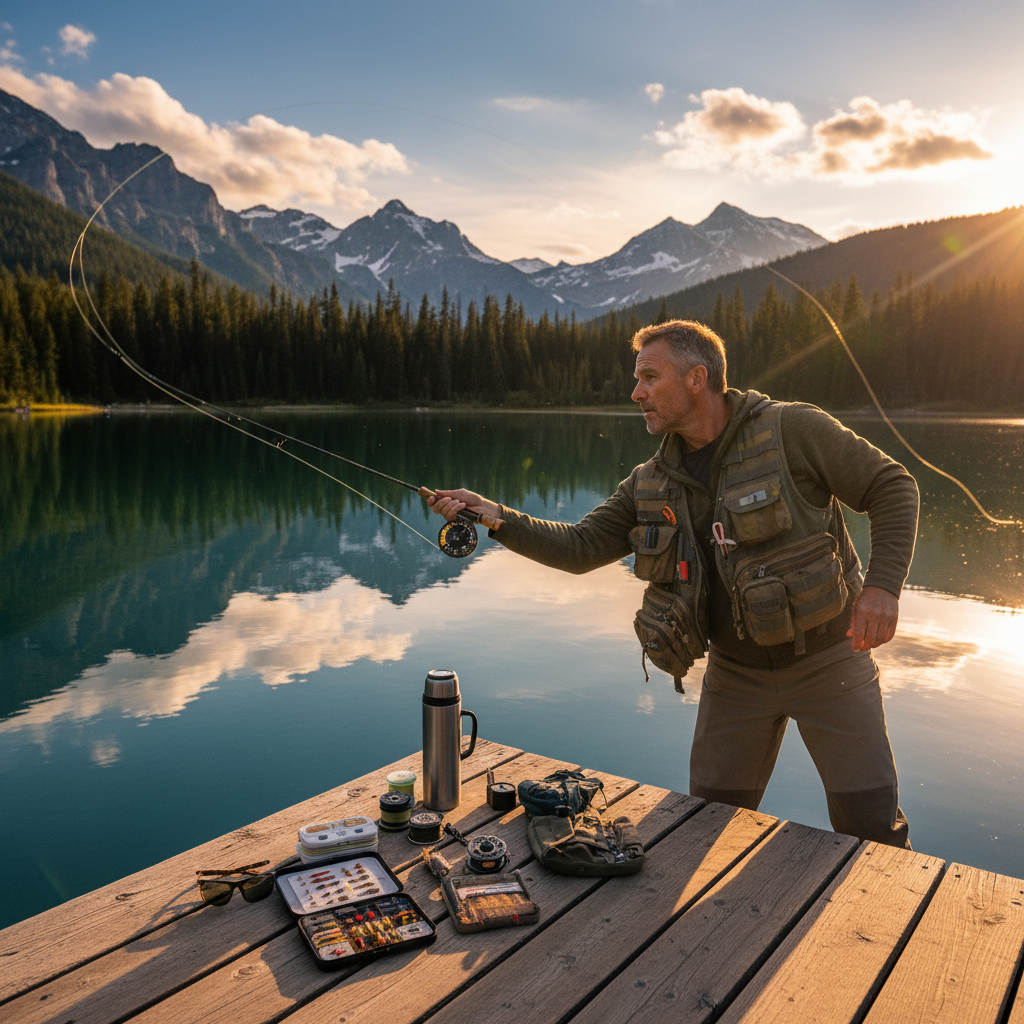
Future-Proof Fishing Gear Guide: Technology Meets Tradition
The angling world stands at a crossroads where centuries-old fishing wisdom meets artificial intelligence, GPS mapping, and environmental data analytics. While your grandfather's tackle box had everything he needed for his local pond, today's anglers fish in an age where proper gear setup increases catch rates by 40-60% according to NOAA Fisheries research, and where smart technology can predict fish behavior better than decades of experience alone.
At Cat137900, we've watched this transformation firsthand across our 145 stores. The anglers who succeed today aren't just buying rods and reels—they're building integrated fishing systems that adapt to real-time conditions, seasonal patterns, and regional ecosystems. Here's your complete buyer's checklist for building a future-ready fishing arsenal that honors tradition while embracing innovation.
The Modern Angler's Gear Philosophy: Beyond Basic Equipment
Forget the old "one rod fits all" mentality. Today's successful anglers think in systems, not individual pieces. Our approach focuses on three interconnected layers: foundational gear that handles 80% of situations, specialized equipment for specific techniques, and technology integration that multiplies your effectiveness.
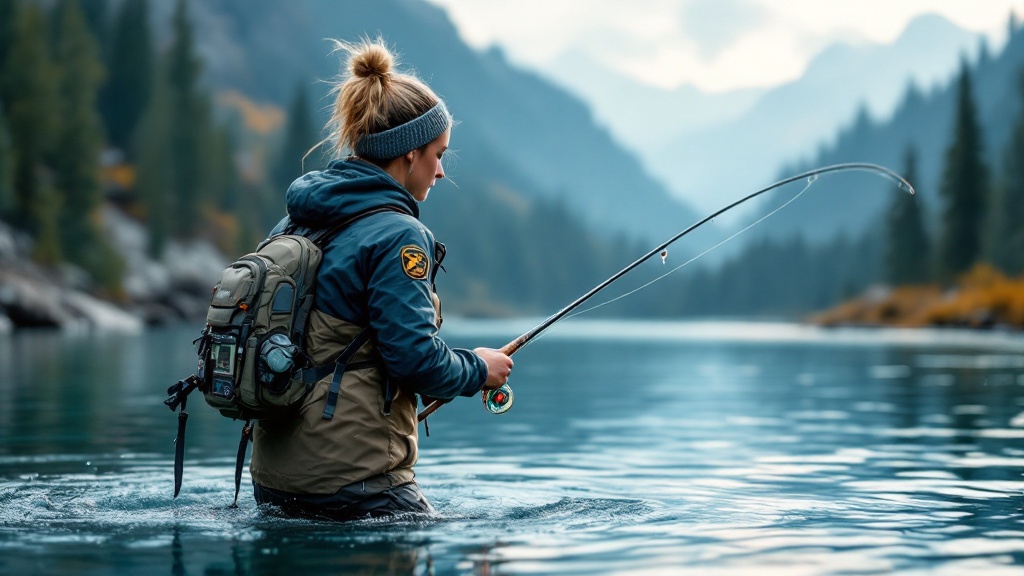
The foundation starts with a medium-action spinning rod (6'6" to 7') paired with a 3000-series reel—this combination handles everything from panfish to medium bass. But here's where modern thinking diverges: instead of buying the cheapest option, invest in gear with built-in technology compatibility. Look for rods with integrated line guides designed for braided lines, and reels with sealed bearings that won't fail when you're using electronic fish attractors.
Your second layer addresses regional specialization. In the Western states where Sportsman's Warehouse has our strongest presence, this means having specific setups for alpine lakes (ultralight gear for pressured trout), desert reservoirs (heavy cover tactics for bass), and coastal waters (corrosion-resistant saltwater equipment). Each environment demands different approaches—the high-altitude lakes of Colorado fish differently than Arizona's desert impoundments.
Technology Integration: Modern Tools for Traditional Sport
The biggest gap in most angler's gear isn't their rods or lures—it's their failure to integrate technology effectively. Fish finders aren't just depth gauges anymore; they're underwater cameras, water temperature monitors, and fish behavior analyzers rolled into one device.
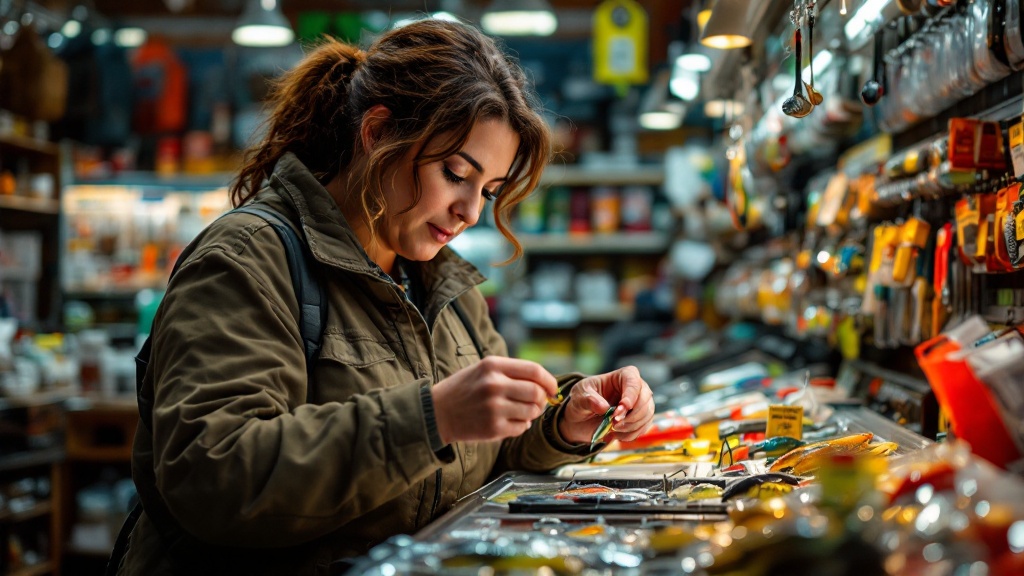
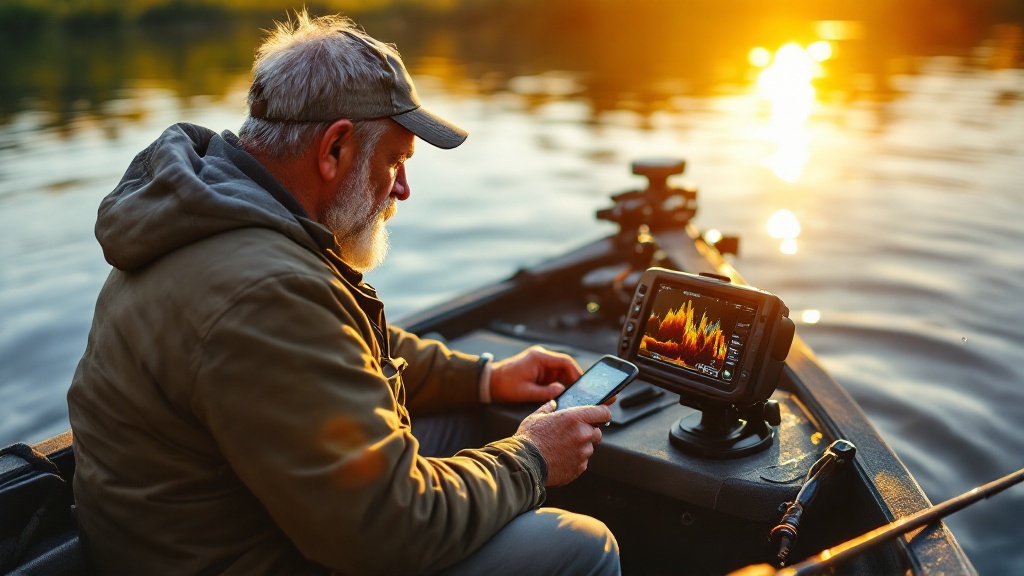
Start with a quality fish finder that offers side-imaging and down-imaging capabilities. The Garmin Striker series or Humminbird Helix models provide real-time bottom composition analysis, letting you identify structure that holds fish. But here's the advanced play: sync your fish finder data with smartphone apps like Fishbrain or AnglerLabs that track weather patterns, barometric pressure changes, and feeding windows.
Smart tackle is the next frontier. Lures with built-in sensors can transmit water temperature and depth data back to your phone. These aren't gimmicks—they're data collection tools that help you identify the precise conditions where fish are most active. When you catch a fish, your phone automatically logs the exact water temperature, time of day, and lure depth. After a season of data collection, you'll have a personalized fishing algorithm more accurate than any general advice.
Digital fishing logs replace the old paper notebook approach. Apps like FishAngler or pro-level software like TrophyClub let you photograph your catches, GPS-tag locations, and track weather conditions automatically. The real power comes from pattern recognition—after logging 50 trips, the data reveals your most productive times, locations, and techniques with scientific precision.
Regional and Seasonal Adaptation Strategies
Generic fishing advice fails because fish behavior changes dramatically based on geography and season. Our stores across 29 states have taught us that successful gear selection requires hyper-local knowledge combined with seasonal adaptation strategies.
For Western mountain lakes, spring fishing (ice-out through June) demands different gear than fall fishing (September through freeze-up). Spring requires smaller presentations—1/32 oz jigs, 4-pound test line, and slow retrieves as fish recover from winter dormancy. Fall fishing allows aggressive tactics—larger spoons, heavier line, and fast presentations as fish feed heavily before winter.
Southern desert reservoirs follow opposite patterns. Winter becomes prime time for bass fishing, requiring best fishing gear and tactics that work in 50-degree water. Slow-rolling spinnerbaits, suspending jerkbaits, and deep-diving crankbaits become primary tools. Summer fishing shifts to early morning and late evening, emphasizing topwater lures and fast-moving presentations.
Coastal fishing requires entirely different considerations. Tidal charts become as important as weather forecasts. Gear must handle saltwater corrosion—rinse everything with fresh water after each trip, use reels with sealed drrag systems, and carry backup tackle since salt fog can seize moving parts overnight.
Sustainable Gear Scorecard: Performance Without Environmental Cost
Environmental consciousness isn't just about feeling good—it's about long-term fishing success. Healthy ecosystems produce better fishing, and gear choices directly impact water quality and fish populations. Our sustainable gear scorecard evaluates equipment based on environmental impact and long-term performance.
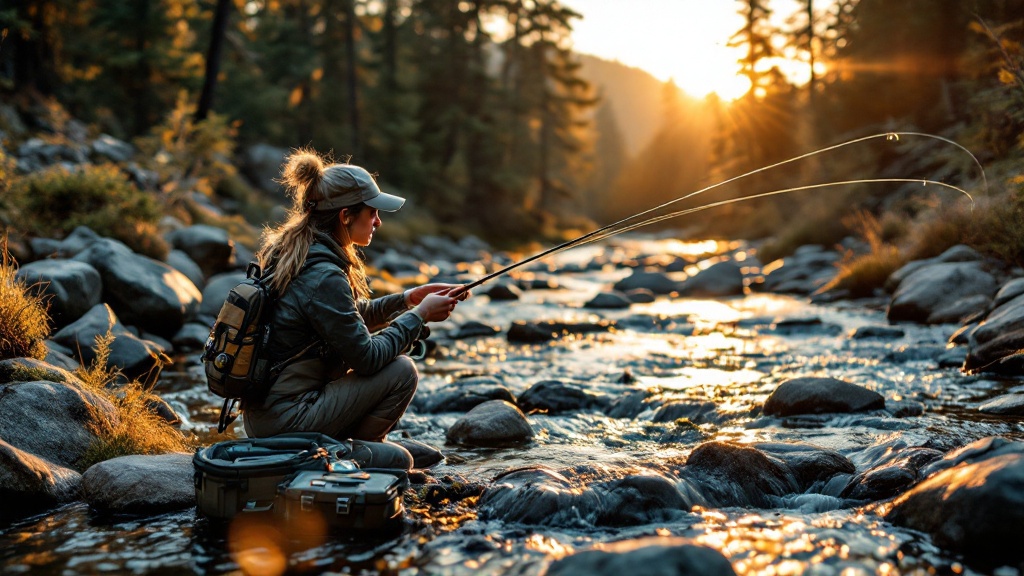
Lead-free tackle scores highest. Tungsten weights cost more initially but offer better sensitivity and environmental safety. They're also 1.7 times denser than lead, meaning you can use smaller weights for the same sinking speed—a performance advantage that justifies the cost.
Biodegradable soft plastics represent the cutting edge of eco-friendly fishing. Companies like Berkley and YUM now produce soft baits that break down naturally if lost in the water. These aren't compromises—many biodegradable plastics actually hold their shape better and release more scent than traditional plastics.
Circle hooks score maximum points for fish survival. NOAA research shows that circle hooks reduce deep hooking by 90% compared to J-hooks, dramatically improving catch-and-release survival rates. They also increase hookup ratios once you learn the proper setting technique—let the fish load the rod instead of jerking.
Advanced Rigging Systems and Performance Testing
Most anglers use basic rigging because they never learned advanced systems. These setups can double your catch rate in specific situations, but they require understanding the physics behind lure presentation and fish feeding behavior.
The Carolina rig with a essential fly fishing gear modification exemplifies advanced rigging. Instead of a standard egg sinker, use a tungsten bullet weight with a small glass bead between the weight and swivel. The bead creates an audible click that attracts fish, while the tungsten weight provides better bottom contact sensitivity than lead.
Drop-shot rigging with adjustable weights lets you fine-tune lure depth in real-time. Use a Palomar knot to tie your hook, leaving 12-18 inches of tag line for the weight. This presentation keeps soft plastics off the bottom while maintaining natural movement—perfect for pressured fish that have seen standard presentations.
Gear testing methodology separates successful anglers from gear collectors. Test new lures in controlled conditions first—clear water where you can observe their action. Video lure movement underwater using a waterproof camera to analyze wobble patterns, descent rates, and swimming action. Most lures work differently than advertised, and underwater footage reveals the truth.
Budget Allocation and Cost-Per-Catch Analysis
According to the American Sportfishing Association's (ASA) 2023 Special Report, fishing participation is on the rise, with significant economic impact. While the report details fishing's economic contributions, many anglers may not allocate their personal budgets optimally for gear and trips. Smart gear investment often follows a 60-30-10 rule: 60% on foundational equipment used regularly, 30% on specialized gear for specific techniques, and 10% on experimental tackle and technology.1
Your foundational 60% should cover essential items like rod-and-reel combinations, basic tackle storage, and safety equipment. Consider calculating cost-per-use rather than solely focusing on initial price. For instance, a quality reel, though more expensive upfront, can be a more economical choice over several years due to its durability and consistent performance.
The specialized 30% covers technique-specific gear like matching tackle to your target species, terminal tackle for various conditions, and seasonal equipment. This category offers a strong return on investment when carefully selected to match local fishing conditions and specific techniques.
Reserve 10% for experimentation—such as new lure designs, technology integration, and minor gear modifications. This experimental budget allows for exploration of new approaches and keeps anglers current with evolving techniques and equipment innovations.
Maintenance and Longevity Strategies
Proper gear maintenance is crucial for extending equipment life. According to the U.S. Fish & Wildlife Service, maintaining fishing gear not only ensures its longevity but also contributes to responsible angling practices. Preventative care helps avoid common issues that can lead to gear failure.2
Weekly maintenance, taking as little as 15 minutes, can prevent major problems. Rinse reels with fresh water, check drag settings, and inspect line for nicks or fraying. While there’s no universal rule for line replacement, many experienced anglers suggest replacing line annually or after frequent use. Old line can weaken and break unexpectedly, especially when battling a prize catch.
Seasonal deep maintenance involves complete reel disassembly, bearing inspection, and lubrication replacement. Most anglers skip this step and wonder why their reels fail during peak fishing seasons. Professional reel servicing costs $40-60 but extends reel life by years and prevents mid-trip failures.
Rod care focuses on guide inspection and handle maintenance. Check guides for groove wear that can fray line, and tighten loose guide wraps before they fail completely. Clean cork handles with fine sandpaper to maintain grip, and store rods vertically to prevent warping.
Safety and Regulatory Compliance
Safety gear isn't optional equipment—it's the foundation that makes everything else possible. Personal flotation devices, first aid supplies, and emergency communication tools should be standard equipment, not afterthoughts.
Fishing regulations change annually and vary by water body. Download state fishing apps that provide current regulations, license requirements, and special restrictions. Many Western states have complex regulations for different lake sections—what's legal on one end of a reservoir might be prohibited 100 yards away.
License requirements extend beyond basic fishing permits. Some areas require special stamps for trout, salmon, or saltwater fishing. Conservation organizations often provide additional licensing that supports habitat improvement while providing access to special waters.
Frequently Asked Questions
What's the most important piece of fishing gear for beginners?
A quality medium-action spinning rod and reel combination handles 80% of freshwater fishing situations. Look for a 6'6" to 7' rod with a 3000-series reel. This setup works for bass, trout, panfish, and most regional species while you develop skills and determine your preferred fishing styles.
How do I choose lures for my local waters?
Match lure selection to local forage species and water clarity. Clear water demands natural colors and smaller presentations, while murky water requires bright colors and larger profiles. Visit local bait shops to learn what fish are eating seasonally, then select lures that mimic those food sources in size, color, and movement.
When should I upgrade from beginner gear?
Upgrade when your current gear limits your fishing success, not when you think better gear will automatically catch more fish. Signs you need better equipment include frequent line breaks, reels that don't cast smoothly, or rods that don't provide adequate sensitivity for your fishing style.
What's the difference between freshwater and saltwater gear?
Saltwater gear must resist corrosion from salt exposure. This means sealed bearings, corrosion-resistant materials, and more frequent maintenance. Saltwater also demands stronger gear—heavier line, larger reels, and stouter rods to handle bigger fish and rougher conditions.
How much should I spend on fishing gear annually?
Budget 2-3% of your disposable income for fishing gear, with most going to foundational equipment in your first years. Once you have solid basic gear, shift spending toward technique-specific equipment and technology that matches your developing interests and local fishing opportunities.
The future of fishing belongs to anglers who balance traditional knowledge with modern technology, environmental consciousness with performance demands, and local expertise with scientific data. At Sportsman's Warehouse, we're committed to helping you build a fishing system that grows with your skills while respecting the waters we all share. Whether you're updating your tackle box or building your first complete setup, the right gear foundation sets you up for decades of successful fishing adventures.
📅 Upcoming Events & Webinars
Stay updated with our latest Fishing Gear and Tactics events, workshops, and industry insights.
View Our Calendar →


Comments
Post a Comment